

What to Do if Your Child Is Falling Behind
Discovering that your child is falling behind academically can be a source of worry for any parent. Whether it’s struggling with specific subjects, missing homework deadlines, or showing signs of disengagement, falling behind is a common challenge that can be addressed with the right strategies. Rather than focusing solely on grades, parents can take proactive steps to support their child’s learning, boost confidence, and foster resilience. This comprehensive guide, grounded in educational psychology and developmental research, explores why children fall behind and offers evidence-based strategies to help them catch up and thrive. Tailored for children of all ages, these methods empower parents to create a supportive environment that turns academic struggles into opportunities for growth.
Why Children Fall Behind
Children fall behind for a variety of reasons, often tied to academic, emotional, or environmental factors. A 2019 study in Journal of Educational Psychology found that academic struggles are linked to low motivation, poor study habits, or external stressors, impacting up to 20% of students at some point. Understanding these root causes is crucial for addressing the issue effectively:
- Academic Challenges: Difficulty with specific subjects, such as math or reading, due to gaps in foundational skills.
- Emotional Factors: Anxiety, low self-esteem, or fear of failure can reduce engagement, per a 2020 study in Frontiers in Psychology.
- Environmental Issues: Lack of structure, distractions, or insufficient support at home or school.
- Learning Differences: Conditions like ADHD or dyslexia may hinder progress if not addressed.
- Motivation and Engagement: Lack of interest or relevance in schoolwork can lead to disengagement.
By identifying the cause, parents can tailor interventions to meet their child’s unique needs.
The Science Behind Supporting Struggling Learners
Helping a child catch up draws on several key principles:
- Self-Determination Theory: Autonomy, competence, and relatedness drive motivation, per a 2018 study in Learning and Motivation.
- Growth Mindset: Carol Dweck’s 2016 research in Mindset shows that emphasizing effort builds resilience and confidence.
- Scaffolding: Vygotsky’s 1978 Zone of Proximal Development suggests guided support helps children master tasks.
- Self-Efficacy: Albert Bandura’s 1977 theory highlights that belief in one’s abilities enhances academic performance.
These principles guide the strategies below, ensuring parents can support their child effectively.
Signs Your Child Is Falling Behind
Recognizing the signs of academic struggle early allows for timely intervention. Common indicators include:
- Declining Grades: Consistent low marks or a sudden drop in performance.
- Incomplete Work: Missing homework or unfinished assignments.
- Disengagement: Lack of interest in school or reluctance to discuss it.
- Frustration or Anxiety: Emotional outbursts or stress related to schoolwork.
- Teacher Feedback: Reports of inattention, lack of participation, or skill gaps.
If you notice these signs, proactive steps can help your child get back on track.
Step-by-Step Strategies to Help Your Child Catch Up
Addressing academic struggles requires a combination of structure, encouragement, and targeted support. Below is a detailed, research-backed guide for parents, tailored to various age groups and needs.
Step 1: Identify the Root Cause
Understanding why your child is falling behind is the first step to helping them. A 2019 study in Educational Researcher found that targeted interventions based on specific causes improve outcomes by 15%.
- Talk to Your Child: Ask open-ended questions like, “What’s hard about school right now?” in a non-judgmental tone.
- Consult Teachers: Schedule a meeting to discuss performance, behavior, and specific challenges.
- Assess Learning Differences: Consider evaluations for conditions like ADHD or dyslexia if struggles persist.
- Example: If a 10-year-old struggles with reading, ask about their challenges and consult their teacher for insights.
Action Step: Have one conversation with your child and one with their teacher within the next week to pinpoint the cause of their struggles.
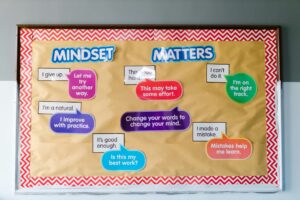
Step 2: Foster a Growth Mindset
A growth mindset helps children view challenges as opportunities. Dweck’s 2016 research shows that growth-oriented students are 20% more likely to persist through academic difficulties.
- Praise Effort: Say, “You worked hard on that math problem!” instead of “You’re so smart.”
- Reframe Setbacks: Teach that mistakes are part of learning (e.g., “This shows us what to practice”).
- Model Resilience: Share your own experiences (e.g., “I struggled with a task but kept trying”).
- Example: If a child fails a test, say, “You’re learning by trying, and we’ll figure this out together.”
Action Step: Praise one effort-based action daily (e.g., “You kept trying that spelling list!”) and discuss one setback as a growth opportunity weekly.
Step 3: Create a Structured Study Routine
A consistent routine builds discipline and reduces overwhelm. A 2019 study in Journal of Educational Psychology found that structured study habits improve performance by 12%.
- Set a Schedule: Designate specific times for homework (e.g., 4-5 PM after a snack).
- Break Tasks into Chunks: Use the Pomodoro Technique (25-minute work blocks with 5-minute breaks).
- Create a Study Space: Provide a quiet, distraction-free area with supplies.
- Example: For a middle schooler, schedule 30 minutes of math practice at 5 PM in a screen-free zone.
Action Step: Establish a weekly study schedule with 2-3 daily work blocks and set up a dedicated study space, reviewing adherence weekly.
Step 4: Provide Targeted Academic Support
Addressing specific skill gaps is key to catching up. A 2018 study in Learning and Instruction found that targeted interventions improve subject-specific performance.
- Focus on Weak Areas: Identify struggling subjects (e.g., math, reading) and prioritize practice.
- Use Tutoring or Resources: Consider tutoring, online resources, or teacher support for specific skills.
- Break Down Skills: Divide complex tasks into smaller steps (e.g., phonics before reading fluency).
- Example: For a 7-year-old struggling with reading, use phonics worksheets and a tutor for 20 minutes daily.
Action Step: Identify one weak subject and provide one targeted resource (e.g., a workbook or tutor) weekly, tracking progress.
Step 5: Leverage Educational Technology
Technology can make catching up engaging and accessible. A 2021 study in Computers & Education found that educational apps boost engagement by 18%.
- Apps for Learning:
- Preschool (Ages 2-5): Khan Academy Kids for foundational skills.
- Elementary (Ages 6-10): Epic! for reading or Mathletics for math.
- Middle School (Ages 11-14): Quizlet for flashcards or Khan Academy for core subjects.
- High School (Ages 15-18): Coursera for advanced skills or Notion for organization.
- Example: Use Quizlet to help a 12-year-old review math concepts interactively.
Action Step: Introduce one educational app (e.g., Khan Academy) and use it for 15 minutes daily to support a struggling subject, discussing progress weekly.
Step 6: Support Emotional Well-Being
Emotional health is critical for academic recovery. A 2019 study in Developmental Psychology found that emotional support reduces stress and improves engagement.
- Validate Feelings: Acknowledge frustration (e.g., “It’s okay to feel upset about this subject”).
- Teach Coping Strategies: Use deep breathing or positive self-talk (e.g., “I can try again”).
- Encourage Breaks: Allow 5-minute breaks after 25 minutes of work to reduce overwhelm.
- Example: If a child cries over homework, guide them to take a mindfulness break and discuss their feelings.
Action Step: Teach one coping technique (e.g., deep breathing) and practice it during a challenging study session weekly.
Step 7: Encourage Self-Directed Learning
Self-directed learning builds autonomy and motivation. A 2019 study in Educational Researcher found that self-directed learners recover faster from academic setbacks.
- Provide Resources: Offer books, websites, or apps for exploration (e.g., National Geographic Kids).
- Encourage Questions: Support curiosity by researching answers together.
- Example: Let a 13-year-old research a topic like history and share findings at dinner.
Action Step: Dedicate one hour weekly for your child to explore a topic of interest, using a resource like TED-Ed, and discuss their discoveries.
Step 8: Foster Collaboration and Peer Support
Peer connections can boost motivation and reduce isolation. A 2018 study in Child Development found that collaborative learning improves engagement by 15%.
- Encourage Study Groups: Arrange peer study sessions or tutoring.
- Promote Extracurriculars: Join clubs or teams to build confidence and connections.
- Example: For a high schooler, organize a weekly study group with classmates.
Action Step: Arrange one peer-based activity monthly (e.g., a study group) and discuss what they learned from it.
Step 9: Create a Supportive Home Environment
A supportive environment reduces stress and fosters progress. A 2017 study in Journal of Positive Psychology found that supportive homes enhance academic recovery.
- Design a Study Space: Create a quiet, organized area with no recreational screens.
- Show Interest: Ask, “What was one thing you learned today?” without focusing on grades.
- Set Positive Routines: Establish homework-first rules (e.g., no gaming until assignments are done).
- Example: Set up a study desk and discuss one positive school moment daily.
Action Step: Create a distraction-free study space and establish one supportive routine (e.g., daily check-ins), reviewing its impact weekly.
Step 10: Celebrate Progress and Small Wins
Recognizing progress builds confidence and motivation. A 2017 study in Journal of Positive Psychology found that celebrating achievements boosts engagement by 20%.
- Acknowledge Milestones: Celebrate completing assignments or improving in a subject (e.g., “You finished all your homework this week!”).
- Use Rewards: Offer small incentives like extra playtime or a favorite snack.
- Example: After a child improves in math, praise their effort and share the milestone with family.
Action Step: Set one academic milestone weekly (e.g., “Complete 5 math problems daily”) and celebrate with praise or a reward.

Tailoring Strategies to Different Age Groups
Support varies by developmental stage. Here’s how to adapt:
Preschool (Ages 2-5)
- Focus: Build foundational skills through play.
- Strategies: Use playful activities (e.g., counting games), praise effort, and address skill gaps early.
- Example: Practice letter recognition with a game and celebrate progress.
Action Step: Plan one daily play-based activity (e.g., a puzzle) and praise effort.
Elementary (Ages 6-10)
- Focus: Develop study habits and engagement.
- Strategies: Use schedules, apps like Epic!, and connect tasks to interests.
- Example: Schedule reading practice and use a phonics app for support.
Action Step: Create a weekly study schedule and use one app for a struggling subject.
Middle School (Ages 11-14)
- Focus: Foster independence and self-regulation.
- Strategies: Use planners, apps like Quizlet, and encourage peer study groups.
- Example: Plan homework and join a study group for math.
Action Step: Set one self-directed study goal weekly and arrange a peer activity monthly.
High School (Ages 15-18)
- Focus: Support long-term goals and resilience.
- Strategies: Use apps like Khan Academy, set SMART goals, and provide tutoring.
- Example: Schedule exam prep and seek tutoring for a weak subject.
Action Step: Plan one long-term academic goal monthly and use a resource for support.
Children with Learning Differences
- Focus: Provide tailored support for catching up.
- Strategies: Use assistive apps (e.g., Read&Write for dyslexia), short tasks, and praise effort for ADHD.
- Example: For ADHD, use 10-minute study blocks with timers and celebrate focus.
Action Step: Use one assistive tool (e.g., a timer) and break tasks into 10-minute segments daily.
Overcoming Common Challenges
Helping a child catch up can face obstacles. Here’s how to address them:
1. Resistance to Help
- Issue: Children resist support or study routines.
- Solution: Connect tasks to interests and offer choices (e.g., “Math or reading first?”).
- Action Step: Link one task to an interest weekly and offer one choice during study time.
2. Persistent Academic Gaps
- Issue: Skill gaps remain despite efforts.
- Solution: Seek professional support (e.g., tutoring, evaluations) and focus on foundational skills.
- Action Step: Arrange one tutoring session or evaluation within the next month.
3. Emotional Stress
- Issue: Frustration or anxiety hinders progress.
- Solution: Teach coping strategies and validate feelings.
- Action Step: Practice one coping technique (e.g., mindfulness) during a study session weekly.
4. Lack of Time
- Issue: Busy schedules limit support.
- Solution: Integrate learning into daily routines (e.g., math during cooking).
- Action Step: Add one learning moment to a daily routine weekly.
Leveraging Resources and Support
A strong support system helps children catch up:
- Resources:
- Apps: Khan Academy, Epic!, Quizlet for targeted learning.
- Websites: Common Sense Media for parenting tips, TED-Ed for inspiration.
- Books: The Growth Mindset Coach by Annie Brock for strategies.
- Support:
- Parents: Provide encouragement and structure.
- Teachers: Offer insights and resources.
- Tutors/Peers: Provide academic and social support.
Action Step: Introduce one resource (e.g., Quizlet) and one support person (e.g., a tutor) to aid recovery. Schedule a weekly check-in.
Measuring Success
Helping a child catch up leads to:
- Progress: Improved skills in struggling subjects.
- Confidence: Increased belief in their abilities.
- Engagement: Renewed interest in learning.
Action Step: At the end of each month, have your child reflect on one academic improvement and set a new goal.
Conclusion: Turning Struggles into Success

When a child is falling behind, it’s an opportunity to build resilience, confidence, and skills that extend beyond academics. By identifying the root cause, fostering a growth mindset, creating structured routines, and leveraging resources, parents can help their child catch up and thrive. With strategies like targeted support, emotional encouragement, and celebrating progress, academic struggles become stepping stones to success. Whether guiding a young learner through reading or a teen through math, these methods empower children to overcome challenges. Start today with a conversation, a new routine, or an educational app, and watch your child regain their academic footing with confidence and determination.